Avoid Mistakes in Schedule 40 Pipe Weight Calculation and Ordering
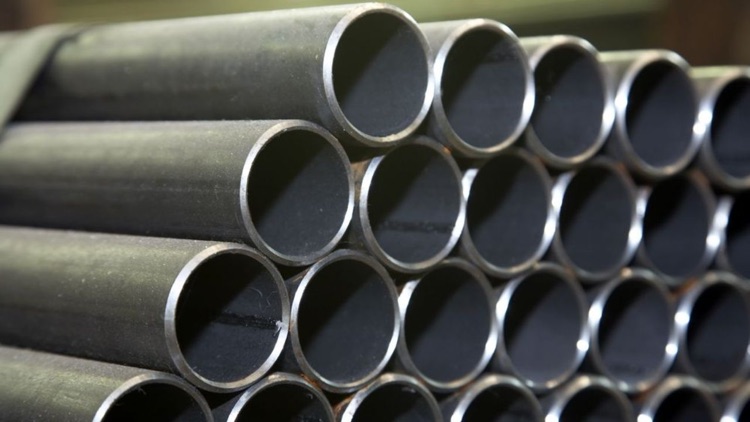
Schedule 40 pipe is widely used in construction, water supply, and industrial systems because of its balanced strength and cost-effectiveness. However, many buyers face issues when calculating pipe weight or placing orders. Even minor errors in calculating the steel pipe weight chart may result in incorrect cost estimation, delivery delays, or material shortages. Understanding common mistakes helps buyers make more accurate decisions and avoid financial loss during procurement.
Confusing Theoretical Weight with Actual Weight
Theoretical pipe weight is one of the biggest errors that a buyer may commit when making the final shipment weight. Standard charts and formulas give the theoretical weight, but the weight of the actual pipes may vary. The difference occurs due to manufacturing tolerance, coating, and packing materials.
For example:
- Galvanized pipes usually weigh more than bare steel pipes
- Small variations occur due to production standards
It is important to keep in mind that the chart values are estimates, but not precise shipments.
Ignoring Pipe Size and NPS Confusion
Nominal Pipe Size (NPS) and actual outside diameter (OD) are often confused, and the wrong calculations are made by many buyers. Schedule 40 pipes are predetermined with fixed OD values, which do not necessarily correspond with the nominal size name.
If OD is incorrectly used in calculations:
- Weight results become inaccurate
- Ordering quantities may be wrong
- Project timelines can be affected
Always check OD values before commencing any weight calculation.
Not Considering Wall Thickness Tolerance
One of the most significant factors in the calculation of pipe weight is its wall thickness. Nevertheless, numerous purchasers do not take into account the manufacturing tolerance that is permitted by standards. The wall thickness of pipes can be a little different, and this directly influences the overall weight. When the wall is less than projected, the pipe will weigh less than the chart value. This may affect the pricing and load planning, particularly in big export shipments.
Forgetting Coating and Surface Treatment Weight
Coating weight is another mistake that is made when calculating the total shipment weight. Finishes such as galvanizing, epoxy, or 3LPE increase the weight of the pipe. Although the increment might not be huge on a single pipe, it would be huge in the bulk purchase.
Ignoring coating weight can lead to:
- Incorrect total shipment weight
- Unexpected shipping costs
- Improper load planning
Coating weight must, therefore, always be taken into consideration in final calculations.
Using Incorrect Weight Formulas
There are incorrect or simplified equations that some buyers apply in estimating the weight of pipes. The right formula will be determined by OD, wall thickness, and steel density. When one or more of the values is wrong, then the result will be incorrect. Such an error commonly occurs as individuals repeat formulas without comprehending them. Reliable charts or verified engineering formulae give more accurate results and better procurement planning.
Not Calculating Total Project Weight Properly
Most of the buyers are only concerned with per-meter or per-foot weight, and they forget to add up the total project needs. This leads to underestimating or overestimating total tonnage.
To avoid this:
- Multiply unit weight by total pipe length
- Add extra allowance for coating and packing
This ensures accurate budgeting and material planning.
Overlooking Container Loading Limits
The weight of pipes is not only a cost issue but also a transportation issue. Other customers do not consider the limits of container loading when making orders. In case of weight surpassing the container capacity, there will be a delay in shipping or additional expenses.
Proper weight calculation helps in:
- Selecting the right container size
- Avoiding overloading issues
- Ensuring smooth logistics planning
Mistake 8: Not Checking Supplier Documents
The other critical error is failure to check supplier documents like Mill Test Certificates (MTC). These reports include actual measured data, such as weight and material properties.
Relying only on theoretical data can result in:
- Wrong shipments
- Quality issues
- Lack of transparency
Buyers can only trust theoretical data, which is inaccurate, without verifying it. Authenticated documents guarantee transparency and mitigate the chances of wrong shipments.
Conclusion
To procure efficiently and complete a successful project, it is imperative to avoid mistakes in the calculation and ordering of Schedule 40 pipe weights. Buyers are advised to always check the pipe dimensions, apply the proper formula, the weight of the coating, and the actual production. These details will be carefully looked at to minimize cost errors, enhance shipping accuracy, and get the right materials to the right place at the right time to be used in industrial and construction projects.