How to Read a Cabinet Project Portfolio Without Being Misled by the Photography
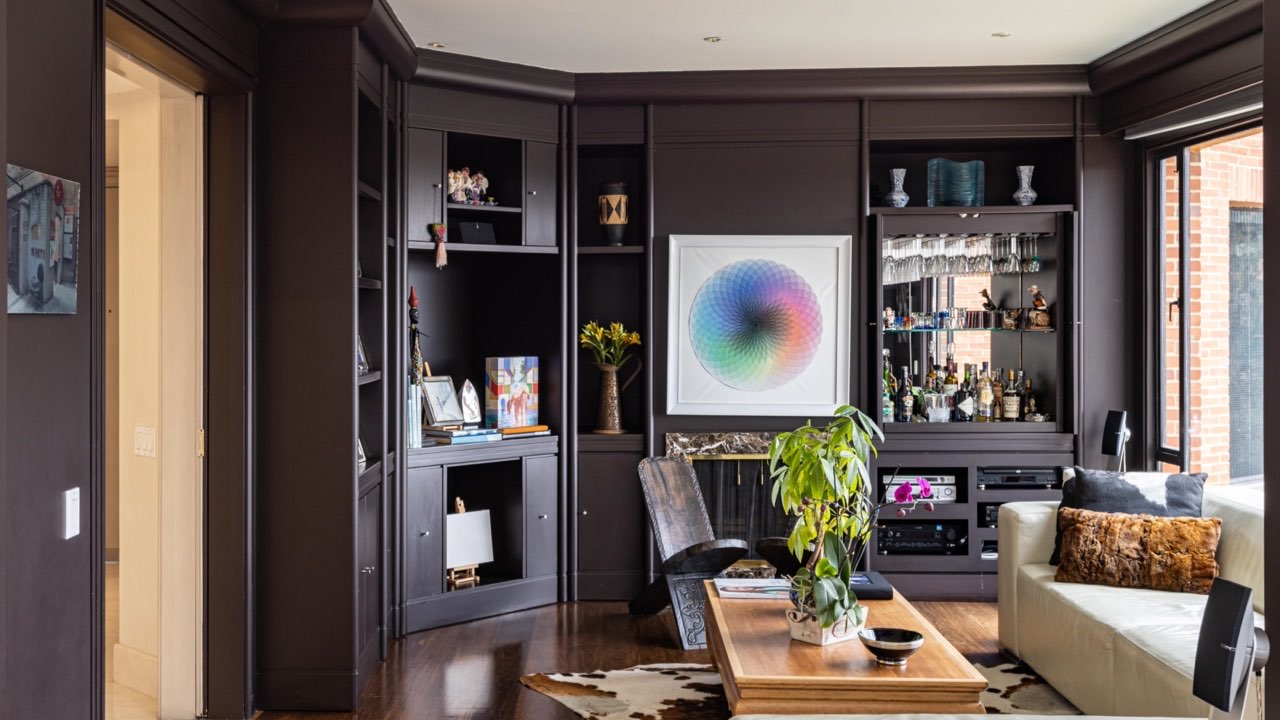
Every cabinetry manufacturer has a portfolio. The photos are carefully selected, professionally lit, and shot at the angles that make the work look its best. In most cases, the photos are accurate — these are real projects, real installations, real results. But what the photos can’t tell you, and what you need to know before choosing a manufacturer, is whether those results are representative of what they routinely deliver or whether they’re the highlights from a much more variable body of work.
Learning to read a portfolio critically — to extract the information that’s actually useful rather than just responding to what looks beautiful — takes knowing what to look at and what questions to ask about what you’re seeing.
Ask Whether the Rooms Are Standard or Unusual
The first question worth asking when looking at project photos is whether the room being shown is a typical residential space or a special case. A large, high-ceilinged living room with custom joinery covering every wall is visually impressive. It’s also a project where the generous dimensions give the manufacturer plenty to work with and where errors in proportion are harder to make.
A more representative test is how the manufacturer handles compact spaces, irregular rooms, and standard apartments where the constraints are tighter. Ask specifically to see examples from projects with smaller rooms or lower ceilings. The way a manufacturer handles a 2.4-metre ceiling in a standard apartment is more predictive of what most clients will receive than the way they handle a showcase villa.
If the portfolio is exclusively large, high-budget projects, that tells you something about who their primary clients are. It also means you have less evidence about how they perform at the scale and specification level that a typical residential project involves.
Look at the Finish Edges, Not the Door Faces
In professional photography, cabinet door faces always look clean — that’s where the light falls most directly and where the photographer naturally focuses. The more revealing detail is the edges: the edge banding on panel sides, the corners where two cabinet runs meet, the reveal between door and door frame.
In photos where these details are visible, look for consistency. Edge banding should be the same width and colour all the way around a panel, with no colour variation at corners. Gaps between adjacent doors should be even and parallel, not wider at the top than the bottom or vice versa. The corner where a run of wall cabinets meets a run of base cabinets should be flush and consistent in reveal.
These details are hard to fake in photography because they require getting close, and when you can see them, they’re an honest indicator of production precision. Inconsistency here — even in a beautifully lit portfolio photo — suggests tolerance issues that will be more visible in person.
Check for Practical Details in Real Use Environments
Showroom photography almost always shows spaces that are deliberately staged to look their best: surfaces cleared, objects carefully placed, no evidence of actual daily use. Project photography from installed residential projects sometimes shows spaces in more realistic conditions — a kitchen with a few things on the counter, a wardrobe with actual clothes in it.
These images are actually more useful than the pristine staged ones, because they show how the cabinetry performs in context. A kitchen where every door and drawer is closed flush even in a real-use photo suggests good hardware and good adjustment. A wardrobe where clothes hang at a consistent height without any visible gap between door panels suggests tight production tolerances.
If a portfolio contains only staged images with no real-use photography, it’s worth asking whether you can see photos from recently completed projects before they were styled for the shoot.
Ask About the Timeline from These Projects
Project photos are a record of what was delivered, not necessarily a record of how the process went. A completed project can look excellent while having involved significant delays, remedial work before the final photos, or a difficult installation process that the client had to manage around.
The relevant question isn’t just whether the finished result looks good — it’s whether the project was delivered on the promised timeline, whether there were installation issues that required return visits, and whether anything in the final result differed from what was specified. These questions can only be answered by talking to the clients, not by looking at the photos.
Ask the manufacturer for references from projects similar to yours in scale and specification. The willingness to provide direct client references, rather than only testimonials curated for the website, is itself informative.
Look for Projects Similar to Your Own
Portfolio diversity is a useful signal, but what matters most for your own project is evidence that the manufacturer has done something similar to what you’re asking for. If you’re fitting out a compact urban apartment, a portfolio full of large villa projects tells you less than a few examples of well-executed smaller spaces. If you want a specific material palette — matte lacquer in a particular colour family, or a specific wood effect — look for portfolio examples using similar materials.
When the portfolio doesn’t include examples matching your project type, it’s worth asking directly: have you done projects of this scale, with this material specification? If the honest answer is no, that’s relevant to know before committing.
What a Portfolio Can and Cannot Tell You
A strong portfolio proves capability — it demonstrates that the manufacturer can produce high-quality work. It doesn’t prove consistency, it doesn’t prove reliability on timing, and it doesn’t prove that the project you’re looking at is representative of their standard output rather than their best work.
The portfolio is the starting point for evaluation, not the conclusion. The questions that follow it — about timelines, references, material specifications, how they handle non-standard spaces — are what turn a visually impressive portfolio into actual evidence that this manufacturer can deliver your project.
For buyers who want to evaluate both the aesthetic range and the operational credentials behind the work, view custom cabinetry projects from a manufacturer whose background includes over two decades of production history and publicly verifiable company standing — context that a portfolio alone doesn’t provide but that matters as much as what the photos show.